 USA
USA UK
UK Canada
 Australia
Best Spoken English Classes in Jamnagar 2026 — EEC Jamnagar
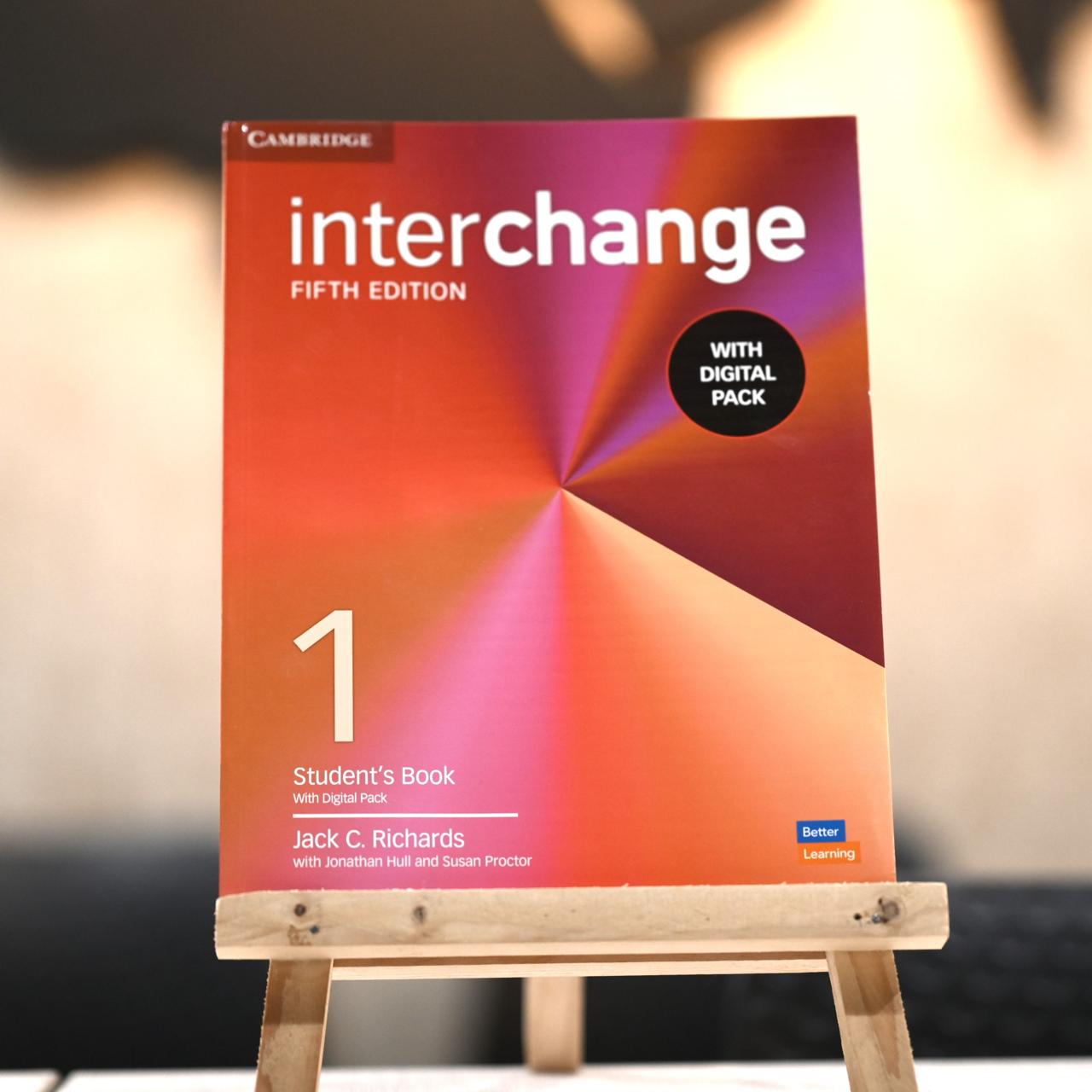
#1 spoken English classes in Jamnagar. EEC has trained 50,000+ students since 1997 across 26 centers in Gujarat, teaching the Cambridge Interchange curriculum. EEC Online live classes, part of 26-branch Gujarat network. Fees from ₹7,500. Classes run 2 hours daily, Monday to Saturday, with full Hindi & Gujarati support for beginners. Available Classroom & Online — a strong foundation for IELTS, PTE and TOEFL. Rated 4.7/5 on Google with 13,937+ verified reviews. Free demo classes run daily, 9 AM to 9 PM, at every EEC Jamnagar branch.
.gif)

Best Spoken English Classes & English Speaking Course in Jamnagar
Same Cambridge Interchange curriculum, same trainers, same ₹7,500 fee in both modes. Choose the format that fits your schedule.
Online Live
Live classes from anywhere in India
- Live classes via Zoom with real EEC teachers
- 2 hours daily, Mon–Sat — same Cambridge curriculum
- Speak and practise from anywhere in India
- Hindi / Gujarati support throughout
- Same ₹7,500 fee, same EEC Completion Certificate
Why choose EEC for Spoken English & English Speaking classes in Jamnagar?
EEC has been Jamnagar's trusted English-speaking institute since 1997 — here's what makes us different.
Trusted Since 1997
EEC Jamnagar is part of Gujarat's most experienced English institute — proven results and 50,000+ students trained since July 1997.
Cambridge Interchange
Learn from the original Cambridge Interchange book plus the official Cambridge One software for 2 years (24 months), included in our fees — the same curriculum used in language schools worldwide.
26 Centres in Gujarat
Your Jamnagar Spoken English course is valid at all 26 EEC branches — join any batch, any centre.
13,937+ Reviews
4.7/5 average Google rating across all centres — verified student feedback you can trust.
Hindi / Gujarati Support
Grammar and tricky concepts explained in your own language — perfect for Hindi and Gujarati-medium learners starting from zero.
Small Batches (10–15)
Limited seats per batch so everyone gets daily speaking time and personal attention from the trainer.
Free Demo Class
Attend a live Spoken English class at EEC Jamnagar before you enrol — no payment required.
Classroom + Online Live
Learn in-person or live online at the same ₹7,500 fee — and earn an EEC Completion Certificate either way.
EEC Jamnagar vs Other Spoken English Classes
| Feature | EEC Jamnagar | Typical Local Class |
|---|---|---|
| Course Material | Original Cambridge Interchange book | Photocopies or no book |
| Mode | Live online with real teachers | Mostly classroom only |
| Experience | EEC since 1997 — 50,000+ students | Recent / unproven |
| Curriculum | Structured Interchange, unit by unit | Random topics, no syllabus |
| Class Schedule | 2 hours daily, Mon–Sat | 2–3 days a week |
| Language Support | Hindi / Gujarati explanations | English only — beginners lost |
| Both Modes | Classroom + Online, same ₹7,500 | One mode, varying fees |
| Certificate | EEC Completion Certificate | Usually none |
EEC has 26 centres across Gujarat — your Spoken English course is valid at every one of them.
Why Spoken English classes in Jamnagar?
Written by Keyur Rohit, Lead Verbal Faculty for Digital SAT / IELTS / Spoken English / PTE, EEC
Jamnagar combines heavy industry, global manufacturing and busy trade — and across all of it, spoken English has shifted from a prestige skill to an operational necessity. The city is home to the world's largest oil refining and petrochemical complex, a major private-sector employer where cross-functional teams, safety briefings and reporting run in English. Jamnagar is also famous as the brass capital of India, producing the majority of the country's machined brass components from a dense cluster of MSME units around GIDC Dared — and a large share of that output is exported to the US, UK, Germany and Australia, so export houses and business owners must deal directly with overseas buyers in English. Add a strip of working ports on the Gulf of Kutch, plus a growing banking and retail layer, and the pattern is consistent: the people who advance are the ones who can hold a confident conversation in English. For a graduate from a Gujarati- or Hindi-medium school, the grammar is usually already there; what is missing is the confidence to speak without translating in their head first.
EEC has been part of Gujarat's education story since July 15, 1997, and although we do not run a physical branch in Jamnagar, our Spoken English course reaches Jamnagar students fully through the Online Live batch on Zoom — taught by the same EEC faculty, with the same curriculum and the same live speaking practice as our classroom centres. The course uses the original Cambridge Interchange Level 1 book — the communicative-English curriculum trusted by learners worldwide — across three months of 2-hour classes, Monday to Saturday. Each session pairs an Interchange lesson and real speaking practice with a second hour of basic grammar explained in Hindi and Gujarati, so a beginner is never left behind. The fee is ₹7,500, and your original Cambridge book is delivered free to your door anywhere in Jamnagar.
The academic picture reinforces the demand. Jamnagar hosts colleges affiliated with Saurashtra University, a well-known government medical college and an Ayurved university, where coursework, presentations and viva-voce exams increasingly run in English — yet a large share of students arrive from Gujarati- and Hindi-medium state-board schools and struggle to keep pace verbally. EEC's Spoken English course closes that gap by training learners to think and speak directly in English rather than translate. By the end, students handle daily conversation, college presentations, campus-placement group discussions, government-job and bank interview rounds, and the unscripted questions of a visa interview with composure. You receive an EEC completion certificate — but the lasting outcome is fluency, and since Spoken English is the foundation EEC builds before IELTS, PTE, or TOEFL, that fluency carries straight into whatever you pursue next.
Keyur Rohit
Lead Verbal Faculty for Digital SAT / IELTS / Spoken English / PTE, EEC · Published 2026-06-04 · Reviewed 2026-06-04
Real People. Real Results.
Spoken English Stories from EEC Jamnagar
Hear from EEC students who went from hesitation to confident, everyday English.
Spoken English landscape in Jamnagar
Jamnagar's demand for spoken English is driven by a unique blend of massive heavy industry, export-led manufacturing and maritime trade. The city houses the world's largest oil refining and petrochemical complex, a leading private-sector employer whose cross-functional, multi-state teams run safety briefings, reporting and corporate presentations in English. Jamnagar is also recognised as the brass capital of India, producing the bulk of the country's machined brass components from thousands of MSME units concentrated around GIDC Dared — and because much of that output is exported to advanced markets like the US, UK, Germany and Australia, export houses, sales teams and owners must communicate directly with overseas buyers. The working ports along the Gulf of Kutch add logistics roles that interface with international shipping lines, while expanding private banking and organised retail demand front-line staff who can serve a diverse clientele in English.
The academic environment reinforces the need. Jamnagar hosts a cluster of colleges affiliated with Saurashtra University, alongside a long-established government medical college and an Ayurved university, drawing students from across the region. These institutions deliver professional curricula, presentations and viva-voce examinations in English — yet a large share of incoming students come from Gujarati- and Hindi-medium state-board schools and face a steep transition, often strong in written grammar but hesitant to speak. That gap between technical competence and verbal confidence is exactly what EEC's Spoken English classes target: practical, speaking-first training that lets regional-medium learners participate fully in college and clear the interview rounds — corporate, government, and visa — that decide their next step.
Our Spoken English Course in Jamnagar — What You Get
Everything included for ₹7,500 in Jamnagar — no hidden charges, original Cambridge materials, and a course valid at all EEC centres across Gujarat.
The EEC Spoken English course fee in Jamnagar is ₹7,500 all-inclusive — covering the original Cambridge Interchange Level 1 book, the official Cambridge One software for 2 years (24 months), 3 months of 2-hour daily classes, and an EEC completion certificate. No hidden charges.
Original Cambridge Interchange Book
The genuine Interchange Level 1 coursebook — not photocopies. Yours to keep and study from.
Official Cambridge One Software (2 Years)
The official Cambridge One software with the Interchange Digital Pack — 2 years (24 months) of online access to interactive practice, audio, and self-study activities, included in our fees.
2-Hour Daily Classes
Live class every day, Monday to Saturday — about 144 hours of guided learning over 3 months.
Hindi / Gujarati Support
Grammar and tricky concepts explained in your own language so nothing gets lost in translation.
Small Batches (10–15)
Limited seats per batch so every learner gets daily speaking time and personal attention.
Daily Speaking Practice
Conversation, pair work, role-plays, mock interviews, and presentations — every single day.
Free Demo Class
Attend one free live Spoken English session before you pay anything.
EEC Completion Certificate
An EEC Spoken English certificate on finishing the course — proof of your progress.
Classroom or Online Live
Learn in-person at your nearest centre or live online — same curriculum, same ₹7,500 fee.
Valid Across 26 Centres
Move or travel? Continue your Spoken English course at any of EEC’s 26 Gujarat centres.
Foundation for IELTS / PTE / TOEFL
The grammar, vocabulary, and fluency you build here transfer straight into exam coaching.
Trusted Since 1997
Learn with EEC’s experienced trainers — 50,000+ students taught since July 1997.
Spoken English for Beginners, Professionals & Housewives in Jamnagar
Whoever you are in Jamnagar, there's a place for you in the EEC batch — here's how the course meets you where you are.
Beginners (Zero Level)
Problem: You start from zero — even basic sentences feel hard
EEC Fix: Cambridge Interchange Level 1 begins with everyday vocabulary and grammar, explained in Hindi / Gujarati. No background needed.
Professionals
Problem: You need business English for meetings, emails, and interviews
EEC Fix: Built for Jamnagar professionals who need English for client meetings and interviews — workplace conversation, presentation practice, and mock interviews build the fluency your job and growth demand.
Housewives
Problem: You want to learn but have a busy household schedule
EEC Fix: Convenient morning batches and Online Live classes let Jamnagar housewives learn from home, at a time that fits the family day.
Students
Problem: You need confidence for college, presentations, and exams
EEC Fix: Academic vocabulary plus daily speaking practice for Jamnagar students — and a foundation that carries straight into IELTS / PTE coaching.
The Hesitant Speaker
Problem: You understand English but freeze when it’s your turn to talk
EEC Fix: Small batches and daily role-plays in a no-judgment space turn hesitation into natural, confident speaking.
Interview Aspirants
Problem: You panic in job and visa interviews
EEC Fix: Repeated mock interviews and pronunciation drills prepare you to answer calmly and clearly under pressure.
Struggling to Speak English in Jamnagar? The EEC Way
The fastest way to think in English instead of translating from Hindi or Gujarati is daily unscripted speaking. EEC's 2-hour classes end with live role-plays and open Q&A so your brain forms English sentences in real time — most Jamnagar students start thinking directly in English within 4–6 weeks.
Why People in Jamnagar Stay Stuck
- You think in Hindi or Gujarati and translate every sentence
- You know grammar on paper but freeze the moment you speak
- You feel shy or afraid to speak in interviews and meetings
- Your vocabulary is limited, so the right words never come
- You tried YouTube videos and apps but still can’t hold a conversation
The EEC Jamnagar Way
- We train you to think directly in English through daily practice
- Cambridge Interchange builds grammar you actually use when speaking
- Mock interviews and presentations in a small, no-judgment batch
- 500+ new words per level, learned in real conversation context
- Live 2-hour classes with a real trainer across 26 EEC centres